What to observe when a horse may have an allergy, what to tell your vet and why you should avoid treating it without...

Language:
Latest posts
-
 Allergies in horses: signs and careRead more
 -
 Horse shampoo: choosing and using itRead more
How to choose horse shampoo and check its directions. A practical hygiene guide that distinguishes grooming from...
-
 Horse fly repellents: how to chooseRead more
Learn what to check on a horse repellent label and how to combine authorised use with environmental care and physical...
-
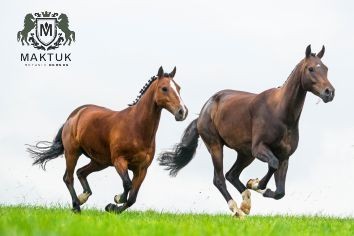 How long do horses live? Caring for older horsesRead more
A horse’s lifespan varies. Learn why care should reflect its individual condition and why changes should be discussed...
-
 Horse riding equipment: a practical guideRead more
Check horse and rider equipment: helmet, boots, saddle and bridle. Practical pointers for choosing, fitting and...
-
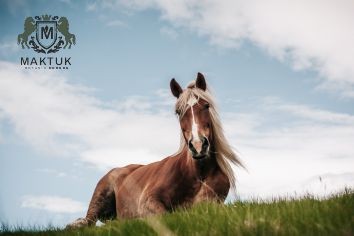 Equine piroplasmosis: Babesia and TheileriaRead more
Understand equine piroplasmosis, the role of ticks and why diagnosis and treatment must be managed by a vet.
-
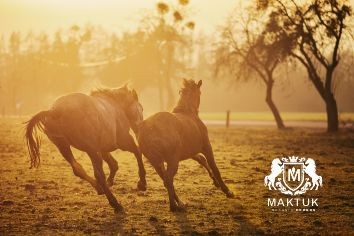 Sweet itch in horses: signs and careRead more
Learn about sweet itch, its link with Culicoides biting midges and the management measures to discuss with your vet.
Blog categories
Search in blog
Archived posts

How long do horses live? Caring for older horses
Horses age differently
Some horses and ponies live into their thirties, but age alone does not describe health. Genetics, history and living conditions influence ageing. There is no fixed conversion that accurately translates a horse’s age into human years.
Watch for changes in routine
Record changes in weight, appetite, movement, behaviour or coat condition and discuss them with your vet. Avoid automatically attributing discomfort to age. A record of observations helps explain what has changed and when it started.
Adapt management to the individual
Review feeding, dental care, hoof care and suitable activity with the professionals looking after your horse. Keep everyday care comfortable for the animal and use grooming products according to their labels.
Focus on quality of life
The question is not only how many years your horse will live, but how it feels each day. Agree an individual monitoring plan and review decisions as its needs change. No cosmetic product can promise to extend its life.
Further information: The British Horse Society.
Posted in:
Maktuk
Related posts
-
Sweet itch in horses: signs and care
Learn about sweet itch, its link with Culicoides biting midges and the management measures to discuss with your vet.Read more
-
Equine piroplasmosis: Babesia and Theileria
Understand equine piroplasmosis, the role of ticks and why diagnosis and treatment must be managed by a vet.Read more
-
Horse riding equipment: a practical guide
Check horse and rider equipment: helmet, boots, saddle and bridle. Practical pointers for choosing, fitting and...Read more
-
Horse fly repellents: how to choose
Learn what to check on a horse repellent label and how to combine authorised use with environmental care and physical...Read more
-
Horse shampoo: choosing and using it
How to choose horse shampoo and check its directions. A practical hygiene guide that distinguishes grooming from...Read more
Leave a comment