What to observe when a horse may have an allergy, what to tell your vet and why you should avoid treating it without...

Language:
Latest posts
-
 Allergies in horses: signs and careRead more
 -
 Horse shampoo: choosing and using itRead more
How to choose horse shampoo and check its directions. A practical hygiene guide that distinguishes grooming from...
-
 Horse fly repellents: how to chooseRead more
Learn what to check on a horse repellent label and how to combine authorised use with environmental care and physical...
-
 How long do horses live? Caring for older horsesRead more
A horse’s lifespan varies. Learn why care should reflect its individual condition and why changes should be discussed...
-
 Horse riding equipment: a practical guideRead more
Check horse and rider equipment: helmet, boots, saddle and bridle. Practical pointers for choosing, fitting and...
-
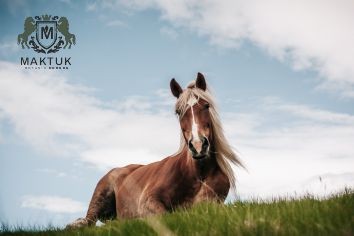 Equine piroplasmosis: Babesia and TheileriaRead more
Understand equine piroplasmosis, the role of ticks and why diagnosis and treatment must be managed by a vet.
-
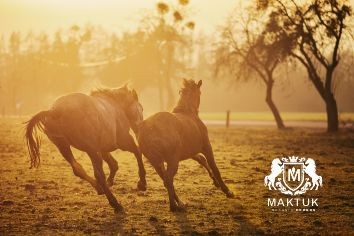 Sweet itch in horses: signs and careRead more
Learn about sweet itch, its link with Culicoides biting midges and the management measures to discuss with your vet.
Blog categories
Search in blog
Archived posts

Horse riding equipment: a practical guide
Start with the fit
Equipment should suit the horse, the rider and the discipline. An approximate size or an extra accessory will not correct a poor fit on its own. If you are starting out, ask your instructor to check your equipment with you before riding.
Equipment for the horse
Check the saddle, girth, stirrups, reins and bridle. Inspect stitching, buckles and contact areas. Depending on the design, a bridle may include a headpiece, browband, cheekpieces, throatlash and noseband. Each part needs a suitable fit; ask a professional if you are unsure.
Equipment for the rider
Wear a correctly fitted riding helmet and suitable riding footwear. Breeches and gloves should allow comfortable movement and rein handling. The type of body protection needed depends on the activity and the rules of the riding centre or competition.
Check before every ride
Look at the condition of the equipment and the horse’s comfort. Clean accessories according to the manufacturer’s instructions and replace damaged parts. Skin and hand care can be part of your routine, but a cream does not replace protective equipment or prevent rubbing on its own.
Posted in:
Maktuk
Related posts
-
Sweet itch in horses: signs and care
Learn about sweet itch, its link with Culicoides biting midges and the management measures to discuss with your vet.Read more
-
Equine piroplasmosis: Babesia and Theileria
Understand equine piroplasmosis, the role of ticks and why diagnosis and treatment must be managed by a vet.Read more
-
How long do horses live? Caring for older horses
A horse’s lifespan varies. Learn why care should reflect its individual condition and why changes should be discussed...Read more
-
Horse fly repellents: how to choose
Learn what to check on a horse repellent label and how to combine authorised use with environmental care and physical...Read more
-
Horse shampoo: choosing and using it
How to choose horse shampoo and check its directions. A practical hygiene guide that distinguishes grooming from...Read more
Leave a comment