What to observe when a horse may have an allergy, what to tell your vet and why you should avoid treating it without...

Language:
Latest posts
-
 Allergies in horses: signs and careRead more
 -
 Horse shampoo: choosing and using itRead more
How to choose horse shampoo and check its directions. A practical hygiene guide that distinguishes grooming from...
-
 Horse fly repellents: how to chooseRead more
Learn what to check on a horse repellent label and how to combine authorised use with environmental care and physical...
-
 How long do horses live? Caring for older horsesRead more
A horse’s lifespan varies. Learn why care should reflect its individual condition and why changes should be discussed...
-
 Horse riding equipment: a practical guideRead more
Check horse and rider equipment: helmet, boots, saddle and bridle. Practical pointers for choosing, fitting and...
-
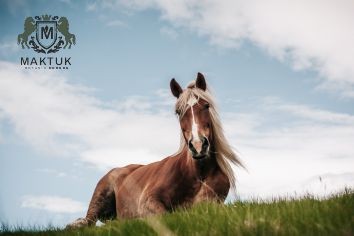 Equine piroplasmosis: Babesia and TheileriaRead more
Understand equine piroplasmosis, the role of ticks and why diagnosis and treatment must be managed by a vet.
-
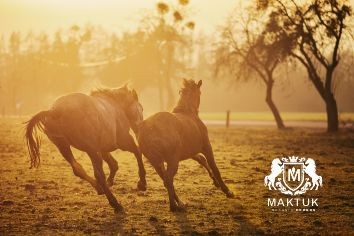 Sweet itch in horses: signs and careRead more
Learn about sweet itch, its link with Culicoides biting midges and the management measures to discuss with your vet.
Blog categories
Search in blog
Archived posts
Equine piroplasmosis: Babesia and Theileria
What is equine piroplasmosis?
Equine piroplasmosis is a parasitic disease affecting horses and other equids. Its agents include Babesia caballi and Theileria equi, parasites affecting blood cells. It should not be confused with a skin condition.
The role of ticks
Ticks can transmit these parasites. They are arachnids, not insects. Blood-contaminated equipment can also pose a risk. Tick control and hygiene measures should be part of a plan agreed with your vet.
Diagnosis and treatment
A horse’s appearance alone cannot confirm or rule out infection. Your vet will assess its signs, history and the tests required. Do not give medicines or copy treatment schedules from the internet: the choice of medicine and dose depends on the individual case.
Information to prepare
Keep the horse’s identification, recent travel history, observed changes and previous treatments available. Before travelling or competing, check the destination’s health requirements with your vet. Cosmetics and grooming products do not treat piroplasmosis.
Further information: World Organisation for Animal Health.
Posted in:
Maktuk
Related posts
-
Sweet itch in horses: signs and care
Learn about sweet itch, its link with Culicoides biting midges and the management measures to discuss with your vet.Read more
-
Horse riding equipment: a practical guide
Check horse and rider equipment: helmet, boots, saddle and bridle. Practical pointers for choosing, fitting and...Read more
-
How long do horses live? Caring for older horses
A horse’s lifespan varies. Learn why care should reflect its individual condition and why changes should be discussed...Read more
-
Horse fly repellents: how to choose
Learn what to check on a horse repellent label and how to combine authorised use with environmental care and physical...Read more
-
Horse shampoo: choosing and using it
How to choose horse shampoo and check its directions. A practical hygiene guide that distinguishes grooming from...Read more
Leave a comment